
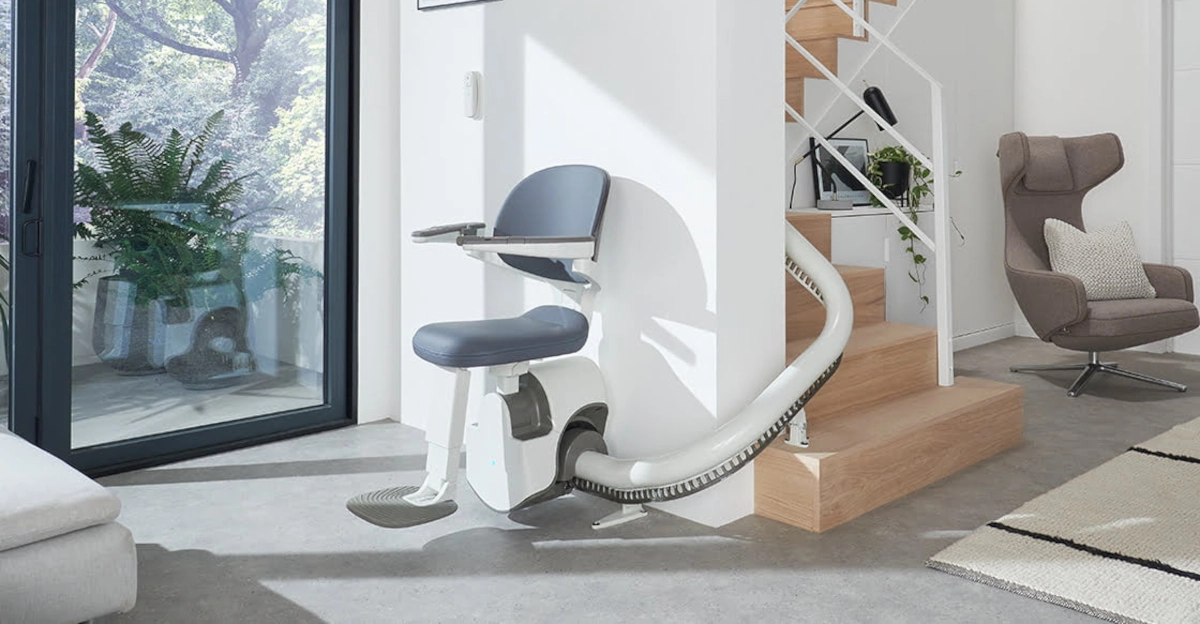
Moving between floor levels can become easier when equipment matches the staircase shape. Stairlifts can support steady movement when the fitting process suits the available space. Careful measurements help determine suitable placement for each section. Skilled installation also checks landing areas alongside stopping points before use. These considerations can make everyday stairway travel more comfortable and convenient. For households seeking dependable accessibility at home, long island stairlifts can provide practical support for moving between different floor levels.
Measuring Staircase Dimensions
Accurate measurements help determine suitable equipment for the available staircase space before fitting begins. Installers check stair width and landing size while considering upper and lower clearance. Curved sections require closer attention because each turn can affect movement during operation. These checks help create a suitable arrangement for the available stairway area.
Matching The Rail Design
Rail design must follow the staircase shape to support smooth movement. Straight sections may need a simple arrangement with suitable clearance around each step. Curved sections require measured bends that follow every change in direction carefully. Proper alignment keeps the seat path consistent while supporting reliable operation throughout the staircase.

Preparing Safe Landing Areas
Landing areas need enough room for entering or leaving the seat safely. The installer checks nearby doors before deciding the most suitable stopping position. A suitable parking point keeps the equipment clear of nearby access areas. These details support dependable operation throughout regular household routines.
Checking Installation Details
Fitting involves several checks before the equipment is ready for regular household use. Nearby fittings are reviewed to preserve clear paths around the equipment. Each check confirms proper operation before the installation is approved. Measurements and placement details can support an efficient installation, making long island stairlifts a practical choice for comfortable and accessible household use.
- Rail placement should leave useful space beside the steps.
- Seat height needs to suit the user during entry.
- Controls should remain easy to reach during normal operation.
- Safety sensors need correct positioning to detect obstacles quickly.
- Charging points should remain accessible for routine power checks.
Testing Movement After Fitting
Testing confirms whether the installed equipment follows the planned route correctly. Installers run the seat through every section to check smooth motion and consistent stopping. They inspect landing points to confirm controlled positioning at each level. A complete test helps identify small adjustments before regular household use begins.
A well-planned setup gives each household reliable support for its staircase shape. Accurate rail positioning guides the seat between floors while preserving nearby access. Testing verifies stopping points alongside safety responses before regular operation starts. Skilled workmanship can limit later adjustments while keeping the installed unit useful for routine needs. Periodic inspections encourage steady performance through everyday household use.