

Many homes face water issues from poor edge flow. Proper planning with shingle roof guttering roofing keeps surfaces dry longer. Clear paths move rainfall away from walls and bases. Weak systems allow seepage that harms materials over time. Steady attention to these details supports lasting performance.
Why Does Flow Matter?
Water must leave the surface quickly to avoid damage. Standing pools soak layers and weaken joints. Good planning directs every drop toward safe exit point. Slow movement lets moisture settle into seams. Fast exit protects the full structure from repeated wetting cycles.
How Can Owners Plan Better?
Owners gain control by checking slopes and outlets early. Simple reviews reveal blocks before they grow into larger problems.
- Measure slope angles to confirm water moves toward edges.
- Clear all outlets so rainfall exits without backup.
- Inspect joints where surfaces meet channels for gaps.
- Test flow with controlled water after any repair work.
- Note seasonal debris patterns that slow drainage speed.
What Limits Efficiency Most?
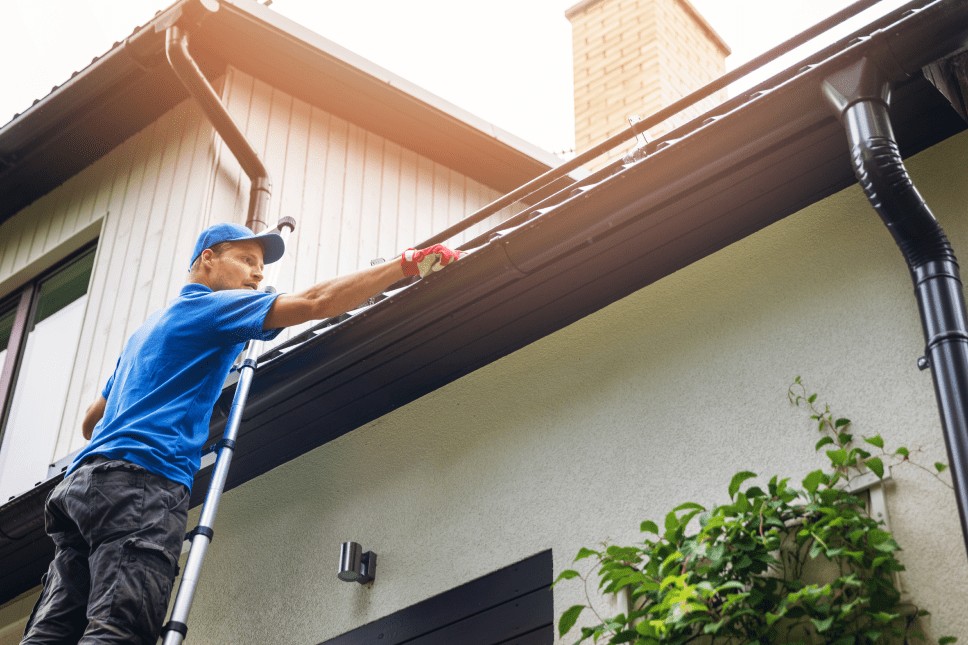
Clogs and poor alignment reduce how well systems work. Debris builds fast during certain seasons. Correct placement from the start prevents many common failures. Leaves and twigs collect at corners after storms. Ice in colder months adds extra pressure on weak spots. Owners who clear early avoid these seasonal setbacks.
Key Planning Steps
Focus on direction and capacity together. These elements decide whether water leaves or stays trapped. Capacity must match expected rainfall volume in the area. Direction keeps every drop on a clear path outward.
Common Owner Questions
Owners often wonder about timing and simple checks. Clear answers help avoid costly delays later.
- How often should channels receive full cleaning attention? Twice each year covers most weather patterns well.
- What early signs point to drainage problems ahead?Overflow marks on walls show water is not leaving.
- Can self-checks replace professional reviews fully?Basic visual walks work until complex issues appear.
- Does slope angle change drainage speed much?Yes, steeper angles move water faster toward outlets.
- When should worn sections receive full replacement?Replace once leaks reach layers below the surface.
Practical Care Habits
Regular habits keep systems ready for heavy rain. Small actions repeated often prevent larger repairs.
- Walk the full edge line after every major storm ends.
- Remove leaves and twigs before they settle into corners.
- Check fasteners for looseness caused by wind movement.
- Seal small gaps around outlets during dry weather only.
- Record each cleaning date to track wear over seasons.

Comparison of Drainage Approaches
The table shows how design choices affect daily performance. Owners who match the approach to local rain patterns gain better control.
| Approach | Water Movement | Upkeep Level | Result Over Time |
| Basic open channels | Moderate speed | High cleaning need | Average service length |
| Sloped reinforced channels | Fast directed flow | Moderate cleaning need | Longer service length |
| Full integrated system | Steady controlled exit | Low cleaning need | Extended service length |
Basic options require more frequent clearing yet cost less at the start. Reinforced designs balance speed and effort for most homes. Full systems demand less ongoing work and last through heavier weather seasons.
Steady Results Ahead
Sound planning keeps water moving clear of vulnerable spots. Attention to slopes and outlets reduces risk of hidden damage. shingle roof guttering roofing works best when flow paths stay open year-round. Simple seasonal reviews protect materials without major disruption. Consistent care delivers reliable protection through changing weather.