
The Hidden Connection Between Practitioner Comfort and Patient Care
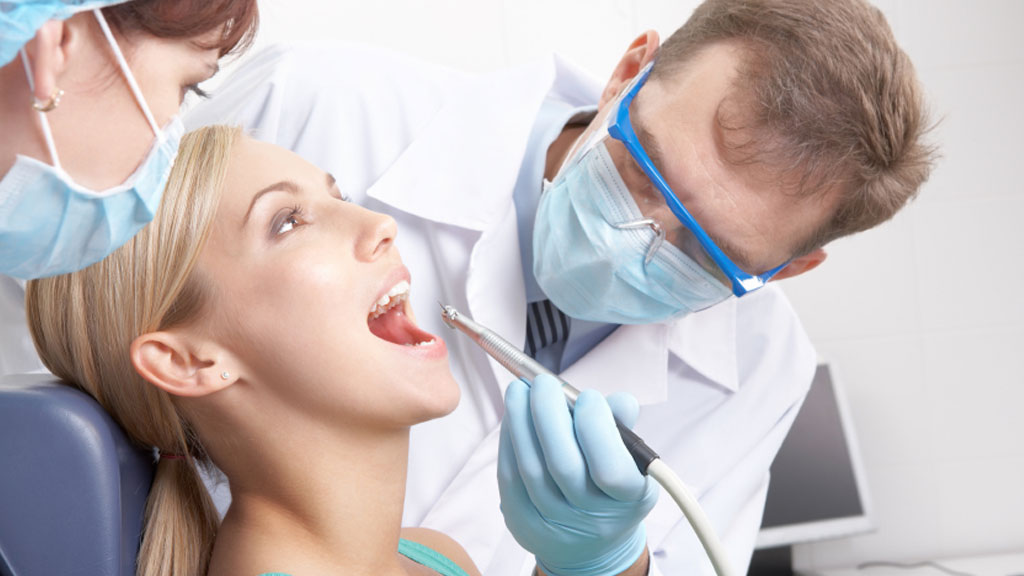
When patients settle into the dental chair, their focus naturally centres on the treatment they’re about to receive. Few consider the physical dynamics at play behind the scenes—how their practitioner positions themselves, adjusts equipment, or moves throughout the procedure. Yet these seemingly minor details form the foundation of dental ergonomics, a discipline that profoundly influences the quality of care delivered by a dentist Coorparoo during every appointment.
Dental ergonomics encompasses the science of designing workspaces, equipment, and procedures to suit the physical capabilities and limitations of dental professionals. This field has evolved considerably over recent decades, driven by research into occupational health and workplace efficiency within clinical settings. The implications extend far beyond practitioner wellbeing, directly affecting patient outcomes in ways that deserve closer examination.
How Proper Positioning Enhances Treatment Precision
The relationship between ergonomic practice and treatment quality becomes apparent when considering the physical demands of dental procedures. Practitioners who maintain optimal posture throughout appointments can sustain steadier hand movements, crucial for delicate work involving fine margins and intricate detail. When a dentist patients visit maintains proper positioning, they’re better equipped to perform procedures with the precision that modern dentistry demands.
Ergonomically sound practices reduce muscle fatigue and strain, allowing practitioners to maintain focus and dexterity throughout lengthy procedures. This sustained capability translates directly to better outcomes—cleaner margins on restorations, more accurate placement of materials, and reduced need for adjustments or corrections. The benefits accumulate over time, as practitioners who avoid physical discomfort can maintain consistent quality across their entire working day.
The Role of Equipment Design in Patient Comfort
Modern Dental Chairs and Patient Positioning
Contemporary dental chairs represent a marriage of patient comfort and practitioner accessibility. These sophisticated pieces of equipment allow for precise positioning that accommodates both parties’ needs simultaneously. When patients can be positioned optimally, practitioners gain better visual access and working angles whilst patients experience reduced strain on their neck and jaw during extended procedures.
Instrument Accessibility and Procedure Flow
The arrangement of instruments and materials within easy reach minimises unnecessary movement and interruption during treatment. This streamlined workflow reduces procedure times and maintains the continuity essential for optimal results. When practitioners can access what they need without awkward reaching or twisting, procedures progress smoothly, reducing patient anxiety and improving overall treatment quality.
Preventing Musculoskeletal Issues for Consistent Care
The dental profession faces well-documented challenges regarding musculoskeletal disorders, with strategies for preventing workplace-related injuries becoming increasingly important. Practitioners experiencing chronic pain or discomfort cannot deliver the same standard of care as those working pain-free. This reality underscores why ergonomic considerations matter profoundly for patients seeking consistent, high-quality treatment.
When dental professionals implement ergonomic principles throughout their practice, they protect their long-term ability to provide care. This sustainability benefits patients who value continuity with their chosen practitioner. A dentist patients trust can maintain their practice for decades when proper ergonomic habits prevent career-limiting injuries.
Technology Integration and Ergonomic Advancement
Modern dental technology increasingly incorporates ergonomic principles into its design. Digital imaging systems, intraoral cameras, and computer-aided design equipment allow practitioners to work in more natural positions whilst accessing superior diagnostic information. Recent developments in dental ergonomics research continue to inform equipment design, creating tools that enhance both practitioner comfort and patient outcomes.
Loupes and magnification systems exemplify this technological evolution, enabling practitioners to maintain proper posture whilst achieving enhanced visualisation. Rather than hunching over patients for better views, practitioners can work upright, reducing spinal strain whilst actually improving their ability to identify and address clinical issues.
The Patient Experience Beyond the Chair
Patients benefit from ergonomic practices in ways they might not immediately recognise. Shorter procedure times, reduced need for follow-up appointments, and improved comfort during treatment all stem partly from practitioners working in optimal conditions. When a dentist families visit prioritises ergonomic excellence, the advantages ripple throughout the entire patient experience.
The intersection of practitioner wellbeing and patient care quality represents more than coincidence—it reflects fundamental principles of how humans perform detailed, physically demanding work. As dental practices continue embracing ergonomic principles, patients can expect treatments delivered with greater precision, consistency, and attention to detail.
Looking Forward in Dental Practice
Understanding the connection between dental ergonomics and treatment outcomes empowers patients to appreciate the comprehensive approach modern practices take towards care delivery. The investment in proper positioning, equipment design, and workplace organisation ultimately serves everyone who walks through the practice doors, creating an environment where excellence becomes sustainable rather than exhausting.
Any surgical or invasive procedure carries risks. Before proceeding you should seek a second opinion from an appropriately qualified health practitioner.